A home is more than just a place to sleep or store belongings. It is a reflection of the people who live in it—their habits, memories, tastes, and even their imagination. When a home is designed thoughtfully, it becomes a kind of autobiography written in furniture, colors, textures, and objects. Instead of following strict trends or copying magazine layouts, personality-driven home design focuses on creating spaces that feel authentic and lived-in.
The Meaning of Personal Style in a Home
Personal style in home design is not about expensive furniture or perfectly coordinated color palettes. It is about choices that feel meaningful. A room filled with neutral, minimalist furniture might feel calm and modern, but it can also feel impersonal if nothing reflects the people who live there. On the other hand, a home with mixed styles, unexpected colors, and personal objects often feels warm and memorable.
For example, someone who loves travel might display souvenirs from different countries—not as clutter, but as storytelling pieces. Another person who enjoys art might fill their walls with paintings, sketches, or prints that reflect their mood or creative interests. These elements make a space unique because they cannot be replicated in exactly the same way.
Color as a Form of Expression
Color is one of the strongest tools in home design for expressing personality. While neutral tones like white, gray, and beige are popular because they create a calm base, personality often shows up in how color is layered on top of that base.
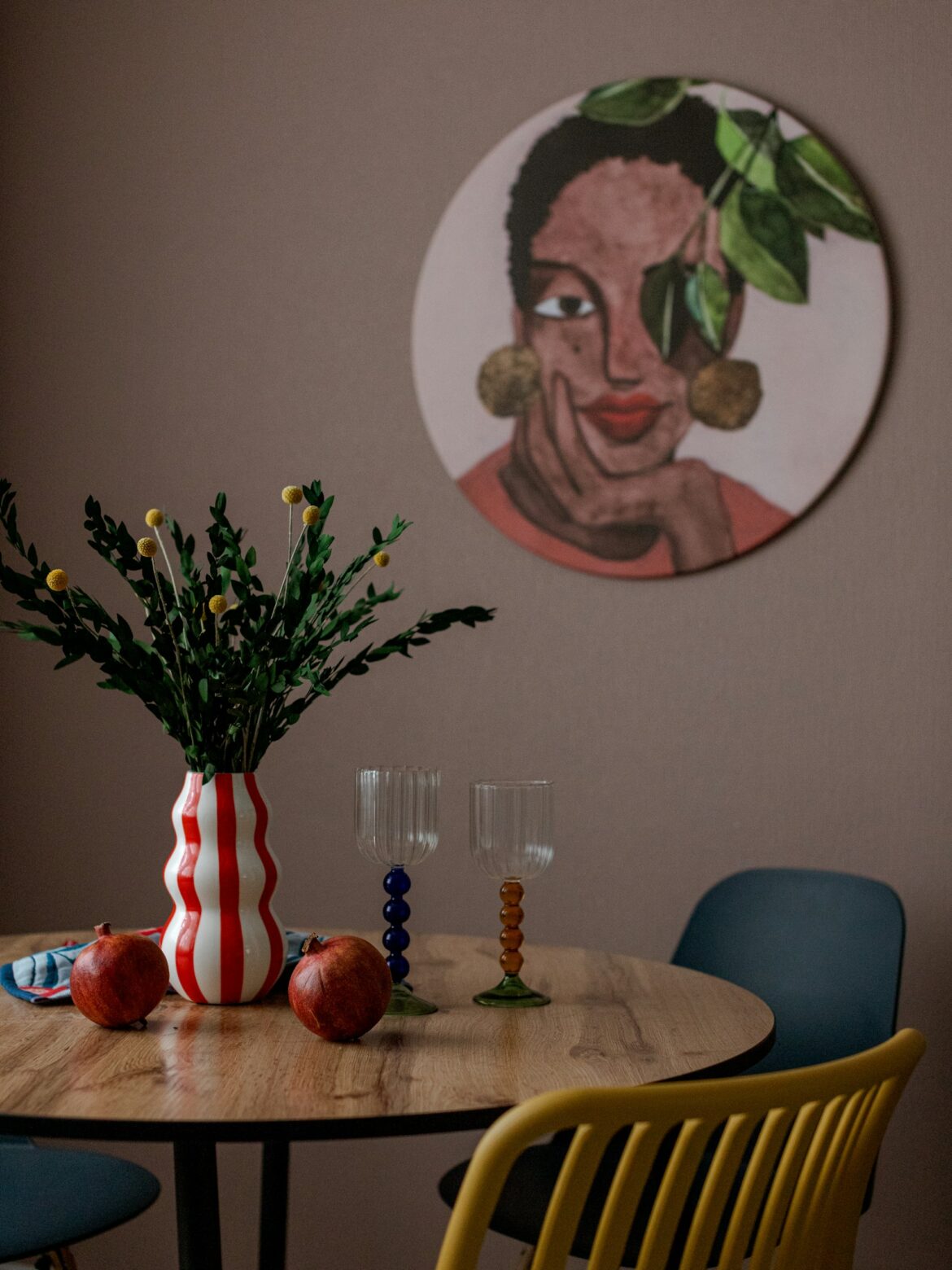
A bold personality might lean toward deep blues, rich greens, or vibrant reds that energize a room. Someone more calm and reflective might prefer soft pastels or earthy tones. Even small pops of color—like bright pillows, rugs, or artwork—can completely change the feeling of a space.
What matters most is not following color “rules,” but choosing shades that feel right emotionally. A home should not feel like a showroom; it should feel like an environment that supports the way someone naturally wants to live.
Furniture That Reflects Lifestyle
Furniture is another major way personality shows through. A person who loves hosting friends might design a living room centered around comfortable seating and open space for conversation. Someone who values solitude and reading might prioritize a cozy armchair, good lighting, and a bookshelf filled with well-loved books.
Even the mix of furniture styles can reveal personality. Some people prefer matching sets for a clean, uniform look, while others enjoy combining vintage finds with modern pieces. A slightly mismatched space can feel more relaxed and human, like it has evolved over time instead of being installed all at once.
Function also matters. A beautiful room that does not support daily life quickly becomes frustrating. Personality-driven design always balances aesthetics with how a space is actually used.
Personal Objects and Memory
One of the most powerful ways to add personality to a home is through personal objects. These can include photographs, inherited furniture, handmade crafts, or items collected over time. These objects carry emotional weight, turning a space into something deeply personal.
A framed photo from a meaningful moment, a handmade ceramic bowl, or a bookshelf filled with well-read novels all tell stories. Unlike mass-produced decor, these items cannot be replaced easily, and that makes them special.
The key is placement. Instead of hiding meaningful objects away, displaying them intentionally allows them to become part of the home’s identity. A well-placed memory can add warmth to even the simplest room.
Texture and Atmosphere
While color and objects are easy to notice, texture is often what makes a home feel comfortable. Soft blankets, wooden furniture, woven rugs, smooth stone, or metal accents all add depth to a space. Mixing textures creates visual interest and a sense of balance.
A home that is too smooth or uniform can feel cold, while a variety of textures makes it feel layered and inviting. For example, a leather couch paired with a knitted throw and a wooden coffee table creates contrast that feels natural and lived-in.
High-quality materials also matter when building a home that feels grounded and lasting. Many designers rely on a trusted natural stone supplier when selecting materials for countertops, flooring, or decorative features, since natural stone brings both durability and a timeless, organic character to a space.
Texture also affects mood. Soft materials tend to feel relaxing, while harder surfaces can feel more structured and formal. Choosing the right balance helps shape how a room feels emotionally.
Lighting as Mood and Identity
Lighting plays a huge role in how personality is expressed in home design. Bright, white lighting can make a space feel energetic and focused, while warm, soft lighting creates a cozy and intimate atmosphere.
People often overlook lighting, but it can completely change the personality of a room. A creative person might use layered lighting—lamps, string lights, and natural light—to create flexibility and mood shifts throughout the day. Someone who prefers simplicity might choose clean, minimal lighting fixtures that keep the space uncluttered.
Natural light also adds personality. Large windows, sheer curtains, and open layouts can make a home feel airy and open, while smaller, dimmer spaces can feel private and calming.
Breaking Design Rules with Confidence
One of the most important aspects of personality-driven home design is the willingness to break rules. Design trends can be helpful for inspiration, but they should not limit creativity. A home does not need to follow strict color coordination or match a specific style like modern, rustic, or industrial.
Some of the most interesting homes mix influences freely. A modern sofa might sit next to a vintage table. Bright artwork might hang in a minimalist room. These contrasts create character and make the space feel alive.
Confidence is key. A home that reflects real preferences—even if they are unconventional—will always feel more authentic than one that simply follows trends.
Conclusion
Home design that shows off personality is about creating a space that feels true to the people who live in it. Through color, furniture, personal objects, texture, and lighting, a home becomes more than just a physical structure—it becomes a story. It reflects memories, interests, moods, and everyday life.
The most meaningful homes are not perfect or overly styled. They are the ones that feel real. When a person walks into a space and immediately senses the personality behind it, that is when design has done its job.
Home Design That Shows Off Personality
Leave a Reply