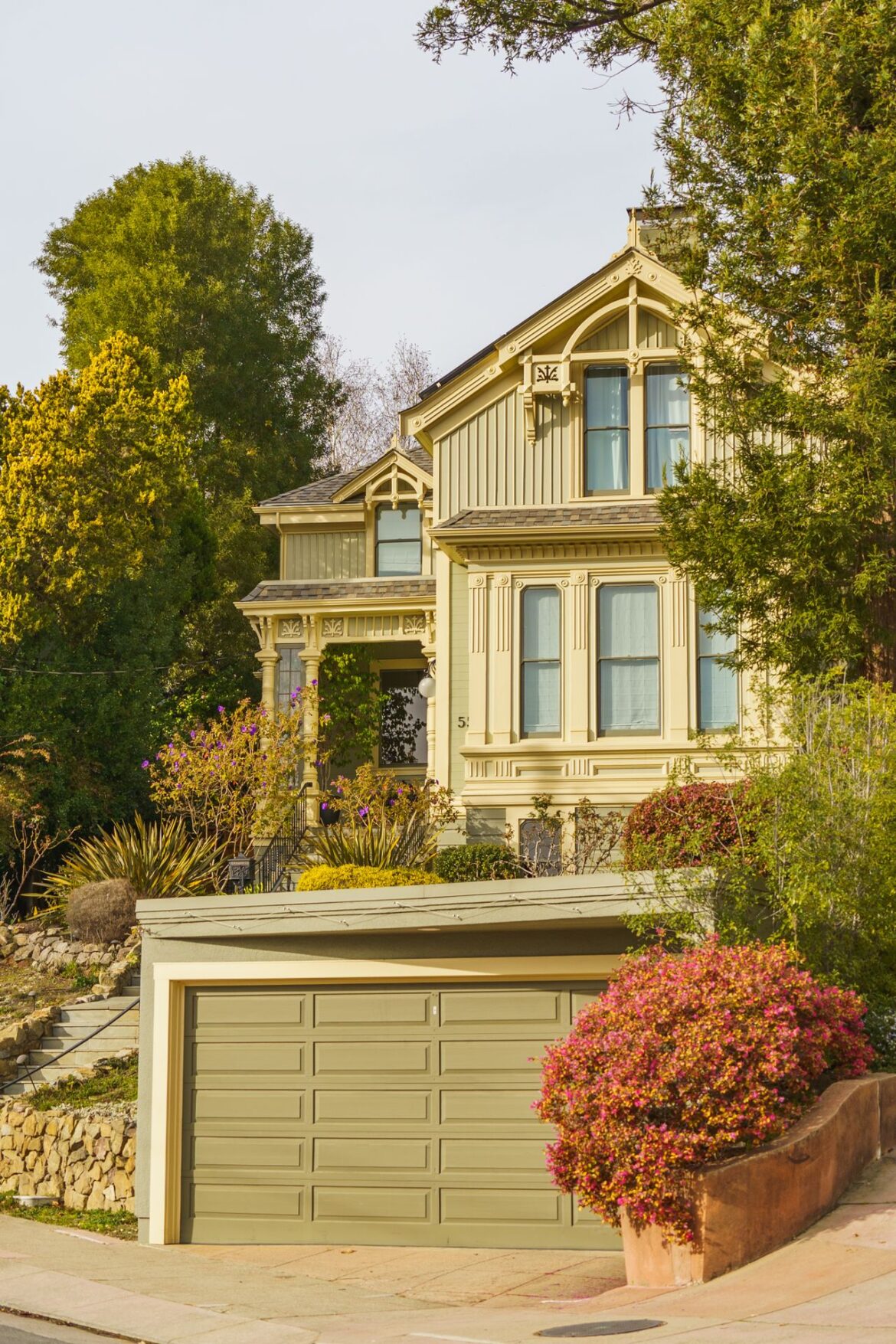
Owning a heritage home is a unique experience that combines the charm of the past with the responsibilities of the present. These properties, often recognized for their historical, architectural, or cultural significance, offer homeowners the opportunity to become custodians of a piece of history. From Victorian mansions and Edwardian terraces to centuries-old cottages and landmark residences, heritage homes possess character and craftsmanship that are rarely found in modern construction.
While owning a heritage property can be immensely rewarding, it also comes with challenges that require careful consideration. Understanding the benefits, responsibilities, and practical realities of heritage home ownership can help prospective buyers make informed decisions and fully appreciate the value of these remarkable properties.
What Is a Heritage Home?
A heritage home is a property that has been designated or recognized for its historical, architectural, or cultural importance. Such homes often reflect the design styles, building techniques, and social history of a particular period. Depending on local regulations, heritage properties may be protected by laws that help preserve their original features and historical integrity.
These homes can range from grand estates and historic townhouses to modest cottages that have played a role in a community’s development. Regardless of size, heritage homes serve as tangible links to the past, offering insight into how people lived, worked, and built in earlier generations.
The Appeal of Heritage Homes
One of the primary reasons people are drawn to heritage homes is their distinctive character. Unlike many modern properties that follow standardized designs, heritage homes often feature unique architectural details such as ornate moldings, handcrafted woodwork, stained-glass windows, decorative fireplaces, and high ceilings.
The craftsmanship found in older homes is another significant attraction. Many heritage properties were built using traditional techniques and quality materials that have stood the test of time. These features create a sense of authenticity and charm that is difficult to replicate in contemporary construction.
Heritage homes also offer a connection to history. Owners often enjoy learning about the property’s past occupants, architectural significance, and role within the local community. This historical connection can make living in a heritage home a deeply meaningful experience.
The Responsibilities of Ownership
While heritage homes provide unique rewards, ownership comes with important responsibilities. Heritage designation often means that certain aspects of the property must be preserved. Owners may be required to seek approval before making alterations, renovations, or additions that affect the home’s historical character.
This can include restrictions on replacing windows, modifying exterior facades, changing roofing materials, or removing original architectural elements. While these regulations help protect the property’s heritage value, they can also make renovations more complex than those involving conventional homes.
Owners must balance preserving historical features with maintaining a comfortable and functional living environment. Understanding local heritage regulations before purchasing a property is essential to avoid unexpected challenges later.
Maintenance and Restoration Challenges
Heritage homes often require more maintenance than newer properties. Aging materials, outdated systems, and decades of wear can lead to ongoing repair needs. Common issues may include foundation settling, aging plumbing, electrical upgrades, roof repairs, and moisture management.
Restoration work can be particularly demanding because it often requires specialized skills and materials. Finding contractors experienced in heritage restoration is important to ensure repairs are completed appropriately and in accordance with preservation guidelines. For major roof repairs, many homeowners seek specialists in heritage roofing who understand how to preserve traditional materials and architectural details while ensuring the home remains weatherproof and structurally sound.
In some cases, restoring original features may cost more than replacing them with modern alternatives. However, preserving these elements often enhances the property’s historical value and maintains its unique character.
Modernizing a Heritage Property
Many heritage homeowners seek to modernize their homes while preserving their historical charm. Thoughtful upgrades can improve comfort, energy efficiency, and functionality without compromising architectural integrity.
Modern kitchens and bathrooms can often be integrated into heritage properties using designs that complement the original style. Energy-efficient heating systems, improved insulation, and updated electrical wiring can also enhance everyday living while reducing operating costs.
Successful modernization projects focus on blending contemporary conveniences with historical authenticity. The goal is to ensure the home remains practical for modern lifestyles while respecting its heritage significance.
Financial Considerations
Purchasing and maintaining a heritage home can involve different financial considerations compared to buying a newer property. Restoration and maintenance costs may be higher, particularly when specialized materials or craftsmanship are required.
However, some regions offer grants, tax incentives, or financial assistance programs to encourage the preservation of heritage properties. These programs can help offset restoration expenses and support responsible stewardship of historic buildings.
Prospective buyers should conduct thorough inspections and budget carefully for both immediate repairs and long-term maintenance. Understanding the property’s condition and potential restoration requirements is essential before making a purchase.
Community and Cultural Value
Heritage homes contribute significantly to the character and identity of neighborhoods. They help preserve architectural diversity, reflect local history, and provide a sense of continuity across generations.
Owners of heritage properties often play an important role in protecting cultural heritage for future generations. By maintaining and preserving these homes, they help ensure that historical stories, craftsmanship, and architectural traditions remain visible within the community.
Many heritage homeowners take pride in participating in local preservation initiatives, heritage tours, and community events that celebrate historical architecture. This involvement can foster a strong sense of connection and responsibility toward the community.
Tips for Prospective Heritage Home Buyers
Before purchasing a heritage home, buyers should research the property’s designation status and any restrictions that may apply. Consulting heritage authorities, reviewing local regulations, and obtaining professional inspections can provide valuable insights.
It is also wise to evaluate potential maintenance costs and identify any restoration work that may be required. Engaging professionals with experience in heritage properties can help buyers understand the scope of future responsibilities.
Patience and flexibility are important qualities for heritage homeowners. Preservation projects often take longer and require more planning than standard renovations, but the results can be exceptionally rewarding.
Owning a heritage home offers a rare opportunity to live within a piece of history while helping preserve it for future generations. These properties provide architectural beauty, cultural significance, and a unique sense of character that modern homes often cannot match. Although heritage ownership comes with additional responsibilities, maintenance requirements, and regulatory considerations, many homeowners find the experience deeply fulfilling.
For those who appreciate craftsmanship, history, and distinctive design, a heritage home can be far more than a place to live—it can be a lasting legacy. By carefully balancing preservation and modernization, owners can enjoy the best of both worlds while ensuring that these treasured properties continue to tell their stories for years to come.
Leave a Reply